KPV
Understand KPV inflammation research and why cell or mouse findings do not establish treatment for gut or skin symptoms.
Have questions? Start with a free consultation.
No deposit. Our Gilbert team will contact you within one business day.
Understand the topic before choosing a treatment
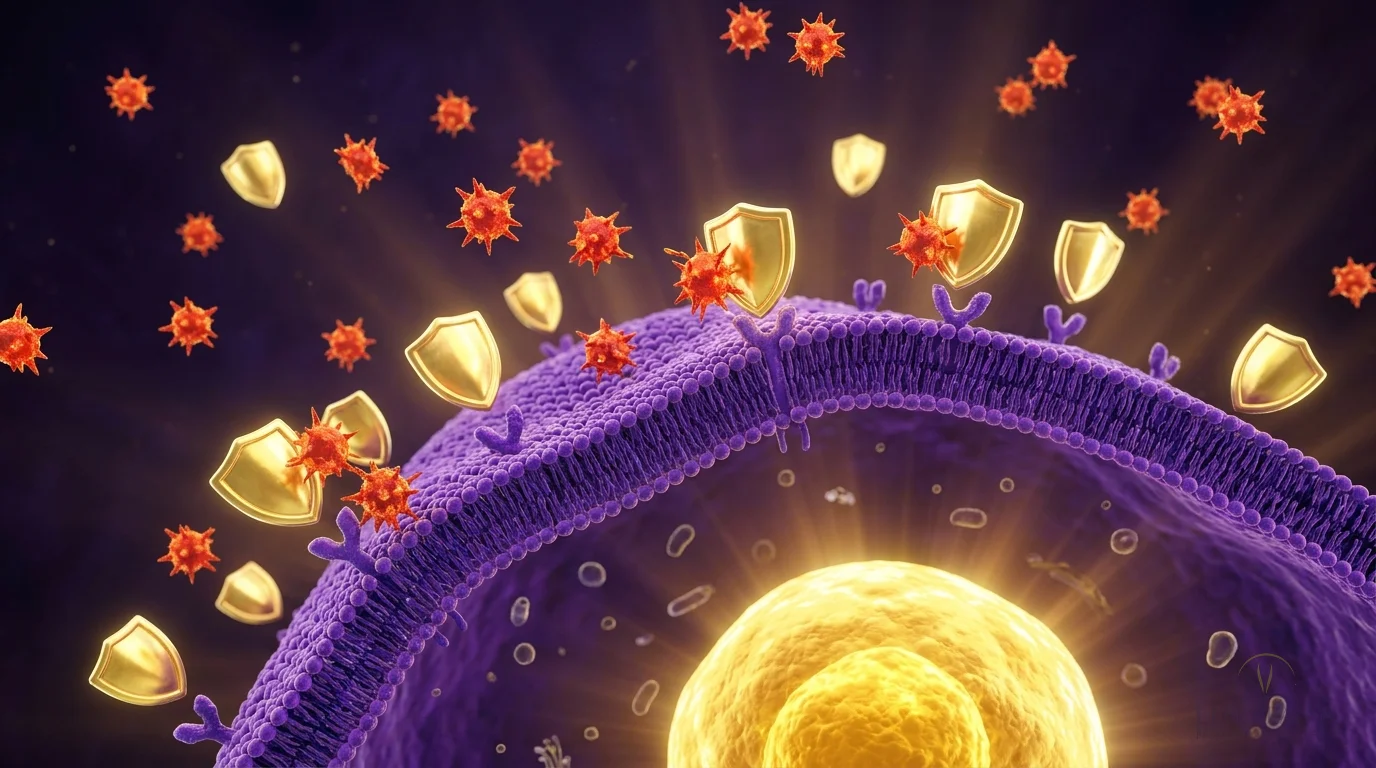
KPV is a three-amino-acid fragment associated with alpha-melanocyte-stimulating hormone. It is discussed because laboratory studies have examined inflammation-related pathways.
“Inflammation” is a broad word. Abdominal discomfort, skin irritation and a painful joint may have very different causes, so the most helpful consultation begins with the symptoms rather than a presumed shared treatment.
This is an educational guide. It does not establish product availability or that this option is suitable for you.
How it works—and what that tells us
Experiments have examined KPV uptake through a peptide transporter and effects on inflammatory signaling in intestinal cell models. This is a mechanism researchers investigate, not proof of an effective gut treatment.
A mechanism explains how something may act.
Clinical studies test benefits and harms in specific people.
Your goals and health history shape the next step.
What the evidence shows
Cell and animal experiments
A Gastroenterology study examined human-derived cell lines and mouse intestinal-inflammation models. Human-derived cells in a dish are not the same as a clinical trial in patients.
Regulatory evidence review
FDA reviewed KPV-related substances for nominated inflammatory and wound-healing uses. Important questions about patient outcomes and safety remain.
What it does not establish
- The cited research does not establish treatment for inflammatory bowel disease, eczema or undiagnosed abdominal symptoms.
- A shorter amino-acid chain does not mean that risks or interactions are already understood.
Safety questions worth discussing
- Do not replace prescribed care for a diagnosed inflammatory condition with an experimental product.
- Discuss changes in symptoms, current medicines and any specialist care before making treatment changes.
Bring your goals to the conversation
You can start with what you want to understand or improve. A consultation can help you assess the research and discuss other approaches; it does not commit you to a particular treatment.
- What is the likely cause of the inflammation-related symptoms?
- Do I need testing or specialist follow-up?
- What patient trials support the specific claim I have seen?
Common questions about KPV
Has KPV been proven in people with gut problems?
The cell and animal studies cited here do not establish that. Clinical evidence needs to match the condition, product and route being considered.
Does a study using human cells count as a human trial?
No. A human clinical trial studies people, with defined outcomes and safety monitoring.
Can I discuss KPV if I already see a specialist?
Yes. Bring the diagnosis and treatment plan so any discussion respects the care you already receive.
Sources and further reading
- PepT1-mediated KPV uptake and intestinal inflammation
Gastroenterology via PubMed · 2008 - FDA compounding advisory briefing: KPV-related substances
U.S. Food and Drug Administration · 2026
The cited sources describe particular products, study populations or research questions. They are not endorsements of a LifeSpann treatment. Meet our team.
Start with your goals. The consultation is free.
Free consultation · No deposit
Talk through what you want to achieve, the evidence, and the options worth considering. You do not need to choose a peptide or commit to treatment.
Our front desk will contact you within one business day to answer questions and schedule your consultation.
Prefer to call? (480) 351-7151